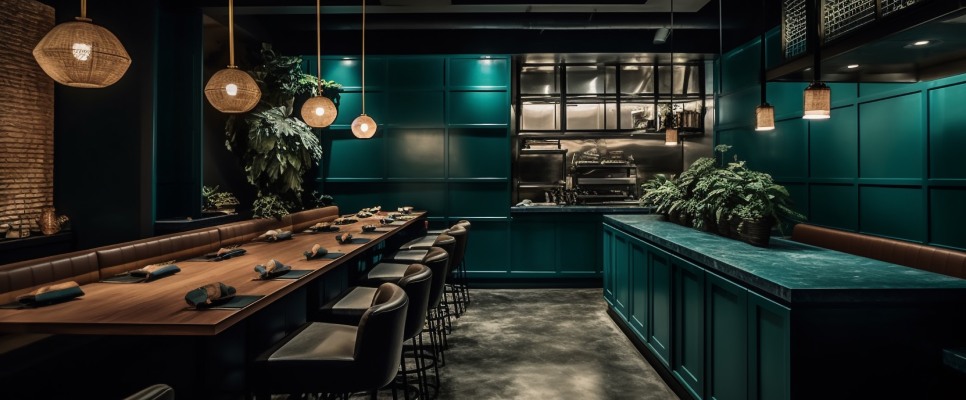
What a Restaurant Concept Really Means
A restaurant concept is not a theme, slogan, or visual identity. It is a practical framework that defines how a restaurant operates and how guests are expected to engage with it. From ordering and seating to pacing, payment, and even table turnover, the concept quietly establishes rules that shape the entire experience.
Strong concepts reduce uncertainty for everyone involved. Guests may not consciously label a restaurant as fast casual or fine dining, but they quickly sense what kind of behavior is appropriate. They understand whether to linger or eat quickly, whether conversation should be hushed or lively. When concept and execution align, dining feels intuitive. When they clash, even good food can feel uncomfortable or out of place.
Concept as Structure, Not Style
A concept before design, limits the atmosphere; it impacts staffing levels, kitchen design, the complexity of the menu and the flow of service before the decorative and branding decisions are made. The environmental requirements for a "quick-service" facility will be quite different from those for a leisure dining room, regardless of how a place actually appears to be.
Clear structure is the basis on which restaurant operations are carried out under pressure. It helps the clientele to understand what the establishment offers without explanation, making dining in relaxing and familiar without instructing.
How Guests Read Concepts Instinctively
Guests read concepts through cues such as pricing, seating style, menu length, lighting, and staff behavior. A host stand and white tablecloths suggest one level of formality, while counter ordering and open seating suggest another.
These signals allow guests to adjust expectations quickly. When cues are mixed or unclear, uncertainty replaces ease, and guests may feel unsure how to act or what to expect.
Why Concept Clarity Matters
Clear concepts protect both guests and staff. Guests know what kind of experience to expect, and staff know how to act within defined boundaries. Decisions become easier when everyone understands the framework.
Restaurants with unclear concepts often struggle not because of food quality, but because expectations are mismatched. Confusion erodes confidence on both sides of the table.
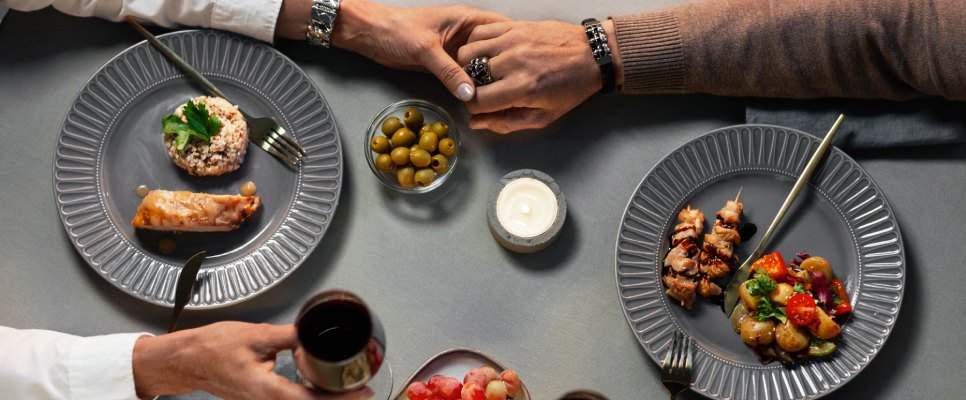
Casual Dining: Comfort, Familiarity, and Accessibility
Casual dining restaurants prioritize approachability and comfort. They are designed for everyday occasions, offering table service without the formality or pricing of higher-end concepts. The goal is to feel welcoming to a wide range of guests without requiring special preparation, knowledge, or occasion.
Menus in casual dining tend to be broad, allowing groups with different preferences to dine together easily. Service is attentive but relaxed, with pacing that accommodates conversation, shared dishes, and longer stays. The experience is meant to fit naturally into daily life.
Menu Design in Casual Dining
Casual dining menus often emphasize variety and familiarity. Dishes are recognizable, portion sizes are generous, and customization is common. Guests feel comfortable ordering without needing explanation or guidance.
Consistency matters more than experimentation. Guests return expecting the same flavors and dishes they enjoyed previously, using familiarity as a measure of reliability.
Service Style and Guest Interaction
Service is present but informal. Servers guide guests through the menu, check in regularly, and manage pacing without drawing attention to the process. The interaction is conversational rather than ceremonial.
The tone is friendly rather than performative, allowing guests to feel comfortable without feeling managed or rushed.
Pricing and Value Perception
Pricing reflects the promise of reliability rather than exclusivity. Guests expect clarity, fairness, and portion sizes that feel satisfying for the cost.
Value is measured through consistency and comfort as much as food quality, making repeat visits an important marker of success.
Fast Casual: Efficiency with Intention
Fast casual restaurants sit between quick service and casual dining. They offer counter ordering and limited service while emphasizing ingredient quality and thoughtful preparation. Speed matters, but not at the expense of care or clarity.
This format appeals to guests who want control over time and cost while still valuing food made with attention. It fits modern eating habits where convenience and quality are both priorities.
Ordering and Flow
Counter or kiosk orders serve as the primary purchasing format; consequently, labor is reduced and amenities are accelerated. The food orders need to be executed at the table; otherwise placed in a designated box for the customer to pick up at his or her convenience. Each guest recognizes that the process is very seamless yet never hurried. The process, basically sought to promote efficiency; however, guests, at the same time, ought to know what is taking place before them.
Menu Focus and Restraint
Fast casual menus are usually concise. Fewer items allow kitchens to operate efficiently while maintaining quality and consistency.
Customization is common, giving guests a sense of agency without overwhelming operations or slowing service.
Quick Service Restaurants: Speed and Consistency
Quick service restaurants prioritize speed, affordability, and predictability. They are designed to serve high volumes efficiently, often relying on standardized menus, processes, and layouts.
The experience is transactional by design, focusing on reliability rather than personalization or ambiance. Guests know what they are getting and how long it will take.
Standardization as a Strength
Standardization ensures that guests receive the same experience each visit. Recipes, portion sizes, and service steps are tightly controlled.
This predictability builds trust, especially for guests prioritizing convenience, time savings, or routine.
Service Interaction and Expectations
Interaction is brief and functional. Courtesy matters, but depth of engagement is limited by design and necessity.
Guests value speed and accuracy over conversation or relationship-building.
Pricing and Accessibility
Lower pricing makes quick service accessible to a broad audience. Value is measured in time saved as much as money spent.
Consistency across locations reinforces confidence and reduces decision-making effort.
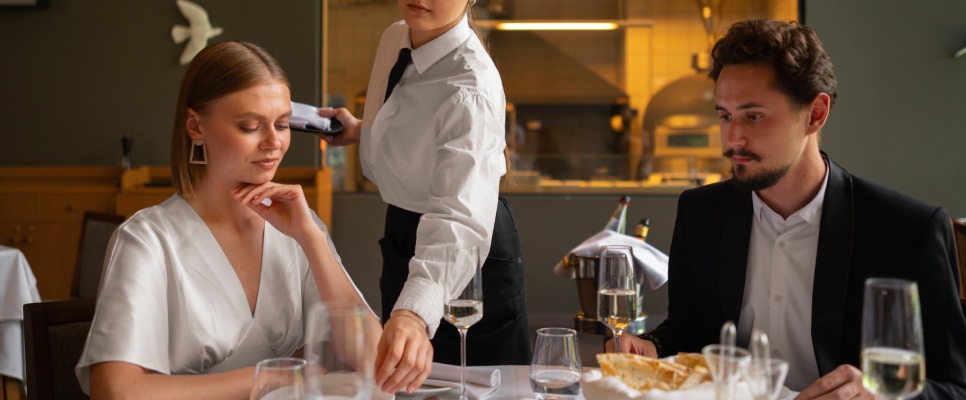
Full-Service Dining: Balance and Flexibility
Full-service restaurants encompass a wide range of experiences, from neighborhood bistros to more refined dining rooms. What unites them is seated service, structured pacing, and a focus on the meal as an experience rather than a transaction.
These restaurants allow greater flexibility in menu design, service style, and atmosphere, adapting to different occasions and guest expectations.
Pacing and Meal Structure
Meals unfold in stages, allowing guests to settle in and adjust the pace. Courses may be ordered at once or gradually, depending on the restaurant’s style.
Pacing adapts to the table rather than enforcing a fixed timeline, creating a sense of ease.
Menu Breadth and Expression
Menus reflect the restaurant’s identity, whether through regional focus, cooking technique, or ingredient sourcing.
Balance between variety and coherence helps guests navigate choices confidently without feeling overwhelmed.
Service as Guidance
Servers act as guides, helping guests make choices and manage timing. Their role is supportive rather than directive.
Good service adjusts to guest cues, offering presence without intrusion.
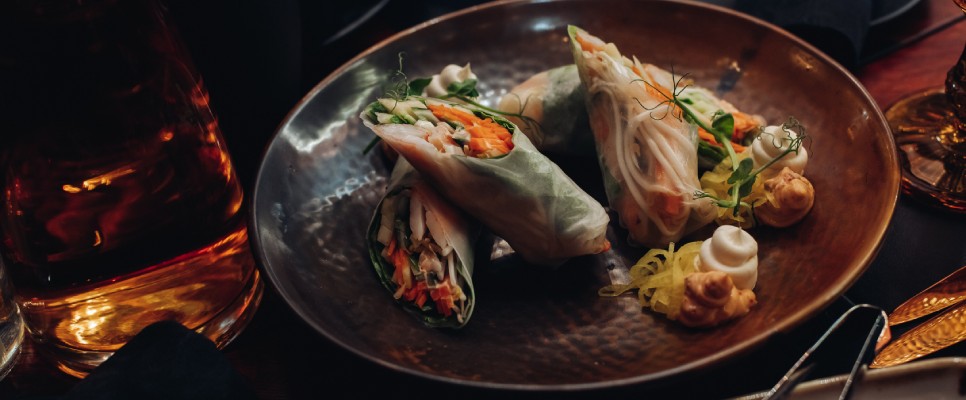
Fine Dining: Precision, Formality, and Intent
Fine dining emphasizes craft, detail, and ceremony. Every element is designed to support a specific vision, from menu structure to table settings and pacing. Meals are often longer and more immersive.
This format asks more of guests in terms of time, attention, and cost, offering depth, focus, and cohesion in return.
Menus as Narrative
Menus are often tightly curated, sometimes fixed, allowing the kitchen to control pacing and progression.
Dishes build on one another, creating a cohesive experience rather than isolated moments.
Service Rituals and Formality
Service follows clear rituals that signal care and professionalism. Timing, language, and movement are deliberate.
Formality creates structure, helping guests understand how the meal will unfold without uncertainty.
Pricing and Perceived Value
Pricing reflects labor, ingredient quality, and time invested. Value is measured through craftsmanship and completeness rather than quantity.
Guests evaluate the experience as a whole rather than individual dishes.
Hybrid Concepts and Blurred Boundaries
Many restaurants blend elements from multiple formats. A casual space may serve refined food, or a fine dining kitchen may adopt relaxed service cues.
Hybrid concepts work when choices are intentional rather than accidental.
Choosing What to Simplify
Successful hybrids simplify some elements while elevating others. They may reduce formality while maintaining food quality, or streamline menus while keeping attentive service.
Clarity matters more than classification.
Managing Guest Expectations
Hybrids must communicate clearly through cues such as pricing, language, and service style. Guests need help understanding what kind of experience to expect.
Confusion arises when signals conflict or feel inconsistent.
Operational Discipline
Blending concepts increases complexity behind the scenes. Discipline, training, and systems are essential to maintain consistency.
Hybrid does not mean improvised.
How Concepts Shape Guest Behavior
Restaurants cater to not only your appetite but best practices and would like to see customers dressed just so, spoken to in a certain way, appetizers ordered at a certain time, and not the least not to linger about. Such concepts would influence group size, occasion type, and the number of visits.
Time Expectations
Some concepts encourage quick turnover, while others invite long meals. Guests adjust behavior accordingly.
Misaligned pacing creates frustration for both guests and staff.
Social Dynamics
Concepts affect conversation volume, privacy, and interaction between tables. Layout and service style reinforce these dynamics.
Guests read these cues quickly and respond instinctively.
Return Patterns
Everyday concepts encourage frequent visits, while occasion-driven concepts may be visited less often but remembered more vividly.
Both play distinct roles in dining culture.
Why Understanding Restaurant Concepts Matters
Understanding restaurant concepts helps diners choose experiences that fit their needs, mood, and time constraints. It also deepens appreciation for the work involved in delivering consistency.
For those working in hospitality, concepts provide a framework for decision-making, training, and long-term sustainability.
Better Choices as Guests
Recognizing concepts reduces disappointment. Guests select restaurants aligned with their expectations rather than relying on vague impressions.
Understanding structure leads to more satisfying experiences.
Clearer Evaluation
Concept awareness shifts evaluation away from comparison toward suitability. A restaurant succeeds when it delivers on its own promise.
Judging within context creates fairness.
Restaurants as Cultural Systems
Concepts reflect how societies organize time, labor, and pleasure around food. Studying them reveals broader cultural patterns.
Restaurants are practical expressions of social values.
Concepts as Invisible Architecture
Restaurant concepts are like invisible, dynamic frameworks within which experiences are shaped without anyone feeling their presence. They serve to guide food, service, pricing, and atmosphere, and thus create a fitting whole. Well-defined and well-implemented, these concepts allow a restaurant to meet a guest comfortably, easing the tension between required and natural experiences. Understanding these mechanisms provides a much-needed framework for understanding dining as not just meals but wonderful cultural encounters that develop into patterns, metamorphosed traditions, and meaningful, life-long memories.
With the kind help from