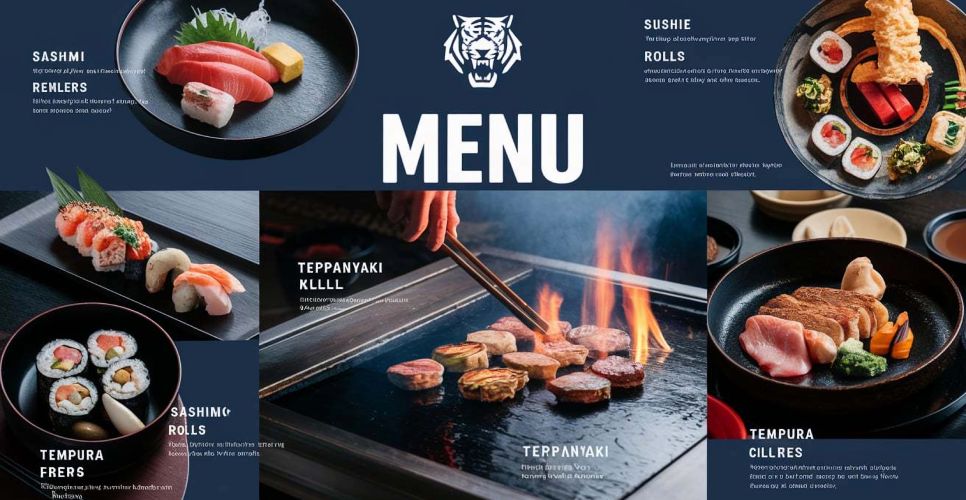
The Menu as a Working Document
A menu is often mistaken for a static list of dishes. In practice, it is a working document that connects the kitchen, the dining room, and the guest. It reflects what a restaurant can execute consistently, what ingredients are realistically available, and how much time and attention each dish requires. Well-designed menus make these constraints feel natural rather than restrictive, turning limitation into coherence.
Menus as Operational Tools
Behind the scenes, menus determine staffing levels, prep schedules, storage needs, and kitchen workflow. Each additional dish adds complexity, increasing the risk of delays, errors, and uneven quality. A menu that looks generous on paper may strain a kitchen beyond what it can reliably support.
Restaurants that treat menus as operational tools tend to perform more consistently over time. They design dishes around what can be executed well every day, not just on ideal shifts with full staff and perfect deliveries.
Menus as Guest Guides
For guests, menus provide cues about portion size, pacing, and formality. The number of choices, the order of sections, and the descriptions used all influence how people order and how much they expect to eat.
Clear menus reduce anxiety and hesitation. Guests feel guided rather than tested, allowing them to focus on enjoyment and conversation rather than decision-making pressure.
Menus as Expressions of Intent
Menus communicate what a restaurant values. A short, focused menu signals restraint and confidence. A longer, more varied menu signals flexibility and accommodation.
Neither approach is inherently better. What matters is whether the menu aligns with the restaurant’s concept, capacity, and audience, creating a sense of intention rather than compromise.
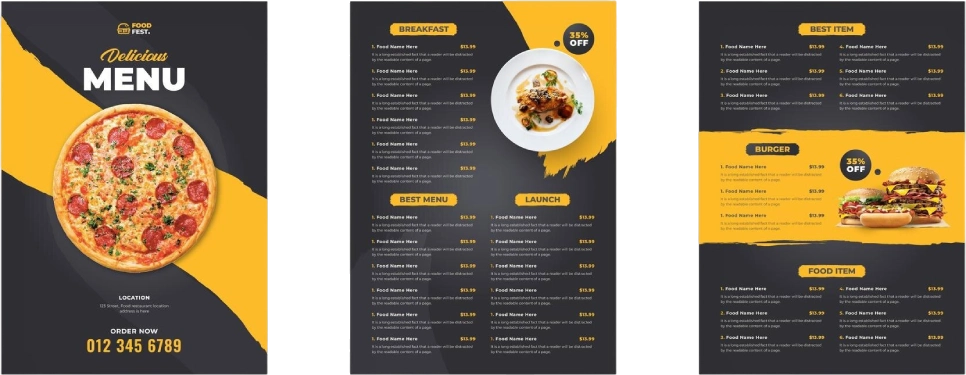
Cuisine and Identity
Cuisine can fairly be considered a strong point of identity of a given restaurant; it sets up expectation in terms of flavor profile, ingredients, cooking styles, even portions of the dish. Indeed, Guest, using familiar reference points, live life differently in this site or that when in confrontation of cuisine.
Cuisine does not have to be territorial to be meaningful. There are multiple influences to be drawn upon by many a restaurant while pursuing a direction. The identity arises through repetition, with its patterns of coherence and decision-making as opposed to probative credentialization.
Defining Cuisine Without Limiting Creativity
Cuisines provide structure, not confinement. They offer a shared language of ingredients, techniques, and traditions that help kitchens stay focused while still allowing variation and interpretation.
Restaurants that understand the underlying principles of a cuisine can adapt naturally to seasonality, local supply, and evolving tastes without losing clarity or credibility.
Cuisine as Expectation Management
Guests bring assumptions about spice levels, richness, pacing, and presentation based on cuisine alone. These expectations shape satisfaction as much as technical execution.
When restaurants respect these assumptions or thoughtfully challenge them, trust is built. When expectations are ignored without context, confusion and disappointment often follow.
Evolving Identity Over Time
Cuisine is not static. Restaurants evolve as cooks gain experience, suppliers change, and audiences shift. Strong identities allow for gradual evolution rather than abrupt reinvention.
Guests tend to accept change when it feels like a natural extension of what they already recognize, rather than a sudden break with the past.
Structure and Flow in Menu Design
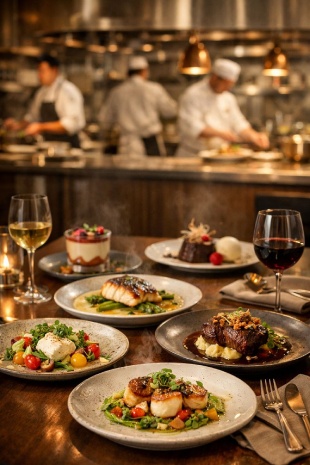
Menu structure influences how a meal unfolds from first order to final plate. The order of sections, the grouping of dishes, and the progression from lighter to heavier items guide both kitchen timing and guest behavior.
Thoughtful structure helps meals feel balanced and complete rather than like random collections of dishes chosen in isolation.
Sectioning and Hierarchy
Menus often follow familiar progressions, but variations matter. Starters, mains, and desserts suggest a certain rhythm, while shared plates or tasting menus suggest another.
Clear hierarchy helps guests understand what kind of commitment is expected in terms of time, appetite, and cost.
Choice and Cognitive Load
Too many choices can overwhelm guests, slowing ordering and reducing satisfaction. Too few choices can feel restrictive or inflexible.
Effective menus strike a balance, offering enough variety to accommodate preferences while limiting options to maintain clarity and consistency.
Pacing and Kitchen Coordination
Menu structure directly affects how dishes move through the kitchen. Courses with similar prep times and equipment needs support smoother service.
When structure supports pacing, meals arrive predictably, reinforcing a sense of care and professionalism.
Balance on the Plate and Across the Menu
Balance operates at multiple levels. Individual dishes require balance of flavor, texture, and temperature. Entire menus require balance across richness, freshness, and intensity.
Menus that ignore balance risk fatigue, even when individual dishes are well executed and appealing on their own.
Flavor Balance
Strong menus include a range of flavor profiles, such as acidic, savory, bitter, and sweet. This variety keeps meals engaging across multiple courses.
Balance does not mean neutrality. It means contrast and relief, allowing each dish to feel distinct rather than repetitive.
Textural Variety
Texture shapes satisfaction as much as flavor. Crisp, soft, creamy, and firm elements add interest and prevent monotony.
Menus that repeat similar textures across dishes can feel heavy or one-dimensional, even when flavors differ.
Balancing the Overall Experience
Menus benefit from offering both lighter and more substantial options. This allows guests to tailor meals to mood, appetite, and occasion.
Flexibility supports broader appeal without diluting identity or focus.
Seasonality and Ingredient Availability
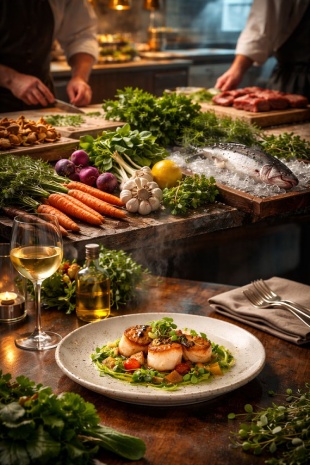
Seasonality influences flavor, cost, and sustainability. Menus that adapt to seasons often feel fresher and more connected to their environment.
Seasonal thinking extends beyond produce. It includes seafood cycles, animal availability, and shifts in guest preferences throughout the year.
Seasonality as Constraint and Opportunity
Working with seasons imposes limits, but these limits often inspire creativity. Fewer available ingredients encourage focus, restraint, and refinement.
Seasonal menus signal attentiveness and responsiveness rather than rigidity or trend-chasing.
Consistency Within Change
Frequent menu changes can confuse guests if not managed carefully. Successful restaurants balance seasonal updates with familiar anchor dishes.
Maintaining recognizable elements allows guests to explore new offerings without feeling disoriented.
Local Context and Supply Chains
Menus grounded in local availability tend to adapt more naturally to change. Strong relationships with suppliers allow kitchens to plan realistically and adjust calmly.
Understanding supply chains reduces last-minute substitutions and helps maintain trust with guests.
Simplicity as a Design Principle
Indeed, at times simulation is wrongly considered the opposite of action or activity. So far as one knows, it rather requires convictions and discipline. Certainly, the relatively small menu makes execution very transparent and allows nowhere to hide the even smallest inconsistency.
Place of the present less is more-applied to restaurants-serving for lazily situated diners quaffing along the sidewalk of relaxed privilege.
Reducing Complexity Without Losing Character
Simplifying menus does not mean removing personality. It means clarifying priorities and eliminating redundancy.
Distinctive flavors and techniques stand out more clearly when surrounded by restraint and focus.
Repetition and Mastery
Repeated execution builds mastery. Cooking the same dishes consistently over time allows kitchens to refine technique and respond to feedback.
Guests benefit from this focus through improved quality and reliability.
Simplicity and Cost Control
Simpler menus often lead to better cost management. Fewer ingredients reduce waste and improve purchasing efficiency.
These efficiencies can be reinvested in ingredient quality rather than surface-level variety.
Menu Language and Communication
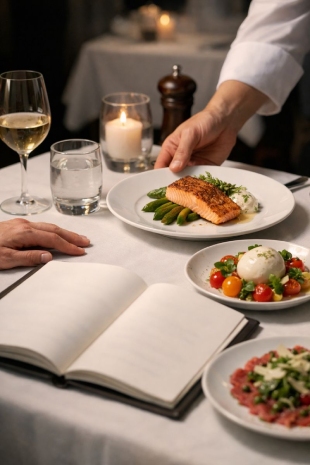
How dishes are described influences perception before food arrives. Language can clarify, entice, or confuse. The goal is not to impress, but to inform and reassure.
Clear communication reduces the gap between expectation and experience.
Description Versus Decoration
Overly elaborate descriptions can obscure what a dish actually is. Under-described dishes can leave guests guessing.
Effective menus describe key ingredients and preparation methods without unnecessary embellishment.
Accessibility and Inclusivity
Menus should be readable and understandable to a broad audience. Excessive jargon creates barriers rather than intrigue.
Clarity supports inclusivity and encourages confident exploration.
Consistency of Voice
Menu language should match the restaurant’s tone. Relaxed restaurants benefit from plain language, while more formal settings may use precise terminology.
Consistency reinforces identity and trust.
Menus as Living Systems
Menus are not static. They respond to feedback, seasonality, staffing, and changing guest needs. Treating menus as living systems allows restaurants to adapt without losing coherence.
The strongest menus evolve gradually, guided by observation rather than impulse.
Learning From What Sells
Sales patterns reveal what resonates with guests. Popular dishes often combine familiarity with a distinctive element.
Menus that respond to this information can refine offerings intelligently without losing identity.
Responding to Feedback Thoughtfully
Feedback should inform decisions, not dictate them. Patterns matter more than individual opinions.
Balanced interpretation preserves character while addressing real issues.
Longevity Through Adjustment
Menus that endure adjust incrementally. Sudden overhauls often disrupt trust and familiarity.
Gradual change feels intentional rather than reactive.
Why Menu Design and Cuisine Matter
Menu design and cuisine shape nearly every aspect of the dining experience. They influence how kitchens operate, how guests choose, and how meals are remembered.
Understanding these principles deepens appreciation for the decisions behind seemingly simple choices.
For Guests
Recognizing menu structure and cuisine helps guests order with confidence and choose restaurants aligned with their preferences.
Awareness leads to better alignment between expectation and experience.
For Restaurants
Clear menu design supports consistency, efficiency, and identity. It provides a foundation for growth and adaptation.
Menus are tools for sustainability as much as expression.
For Restaurant Culture
Menus reflect how societies value food, time, and labor. Studying them reveals broader patterns in dining culture.
They are everyday documents with lasting influence.
Designing Choice With Care
Menus shape encounters of flavors and choices. By way of structure, balance, seasonality, and simplicity, they guide the kitchen and the guest toward intentional experiences and away from accidental encounters. A good menu design should not seek novelty but seek clarity, trust, and coherence. The principles suggest a more profound understanding of a restaurant rather than just a place to eat; it could be shared solemnly, rehearsed, and shared again in an unending cycle of decision-making.
With the kind help from